


Around the world, technology is advancing at an unprecedented pace—but it’s important to remember that it doesn’t develop itself. People design technologies for others to use, and success depends on more than just technical breakthroughs. Even the most innovative ideas can fail to reach the market or deliver value if the surrounding ecosystem isn’t aligned.
Join Professor Philip Asare for an insightful talk on how humans and technology continuously shape one another, and how the decisions of many impacts technology adoption. Drawing on examples from healthcare and internet technologies, Professor Asare will explore how understanding the broader innovation landscape can lead to systems that are not only high-performing but also inclusive, ensuring they meet the needs of diverse users.
Explore why the dynamic relationship between humans and technology is key to accelerating innovation.
Join us on February 11, 2026, at our monthly Skule™ Lunch & Learn.
By registering for the Skule™ Lunch & Learn event, you could potentially earn Continuing Professional Development (CPD) credits. CPDs are essential for professional engineers and limited license holders to renew their licenses annually through the PEO PEAK Program. If you're wondering whether this event offering qualifies you for CPD credits, click here to learn more.
About the speaker
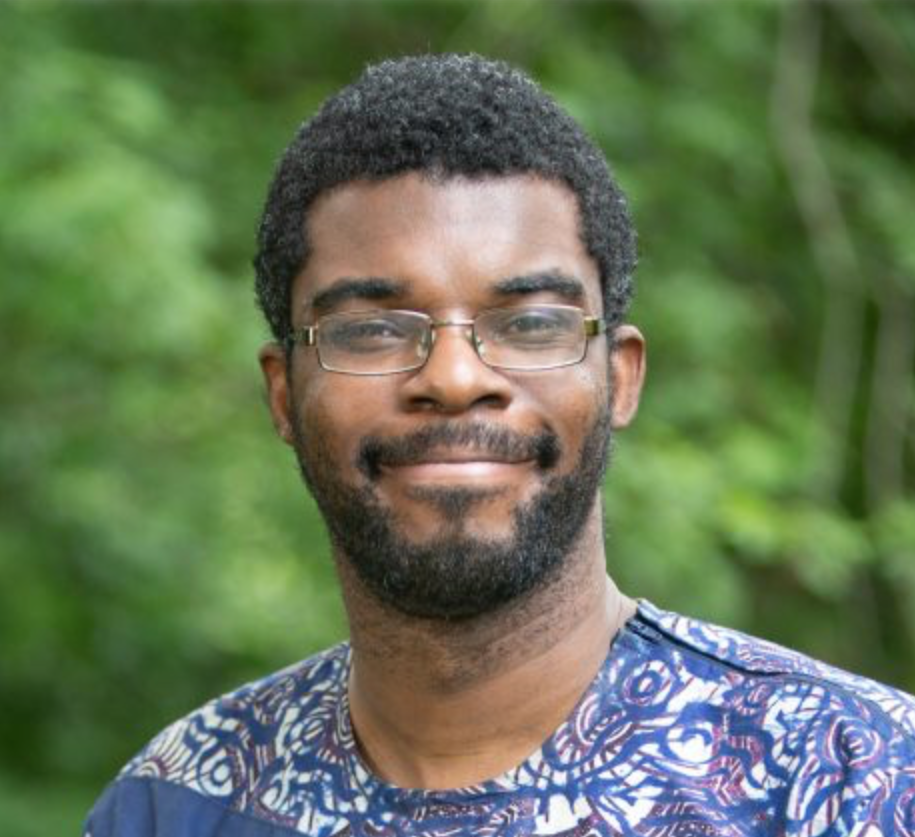
Professor Philip Asare
Philip Asare is an Assistant Professor in the Division of Engineering Science and the Institute for Studies in Transdisciplinary Engineering Education and Practice (ISTEP).
His teaching focuses on engineering design and transdisciplinary competencies.
Professor Asare sees engineering as an activity geared towards human goals, full of rich and interesting stories of how particular ideas or products came to be. His approach to engineering and engineering education focuses this view of engineering as a human activity, and the implication of this perspective for engineering education and practice.
A significant theme of Philip’s teaching and projects focuses on how we educate engineers to operate in the complex socio-technical world, particularly how we create an engineering community that is diverse, inclusive and equitable, and the related benefits for society of such an engineering community.